Last week, the Nottawasaga Valley Conservation Authority (NVCA) welcomed 80 students from three local boards to Wasaga Beach for the Lake Huron Student Conference. The event was supported by $25,000 in funding from the Ministry of the Environment, Conservation and Parks (MECP).
The Great Lakes and their connected watersheds support drinking water, manufacturing, transportation, agriculture, tourism, recreation, and fisheries across Ontario. At the conference, students explored how Lake Huron shapes local communities and gained practical knowledge about how they can contribute to the stewardship of this globally significant freshwater ecosystem.
“Our government is proud to champion the Lake Huron Student Conference—an inspiring initiative that brings the story of the Great Lakes to life for students, highlighting their vital role in our environment, economy, and communities,” said Todd McCarthy, Minister of the Environment, Conservation and Parks. “Through Ontario’s Great Lakes program, the Nottawasaga Valley Conservation Authority and its partners are empowering young people to step forward as stewards of Lake Huron—ensuring these precious freshwater resources are protected and sustained across the Great Lakes Basin for generations to come.”

Students from Simcoe Muskoka Catholic District School Board, Bluewater District School Board, and Simcoe County District School Board examined Lake Huron’s cultural, ecological, social and economic importance along the shoreline and throughout the watershed.
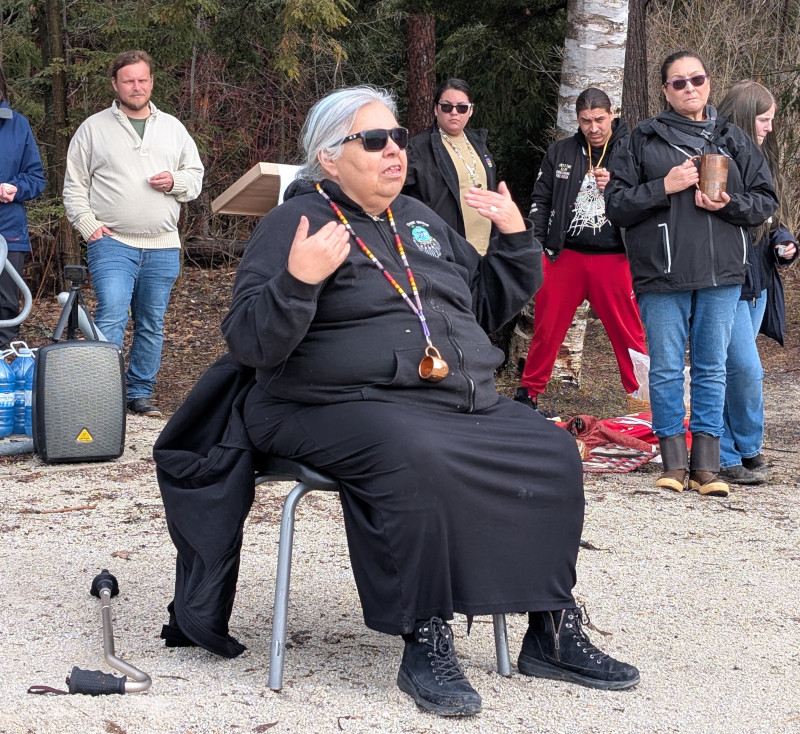
The day began outdoors on the beach. Participants were invited to participate in a smudge ceremony, led by an Indigenous Elder and a Knowledge Keeper. They learned about the landscape and how it was formed, and they were introduced to Indigenous perspectives about the water and land. Scales Nature Park brought in live turtle and snake species and shared why these animals are species at risk, taking the event into lunchtime, when the representative from the Great Lakes Office gave a keynote address.
Afternoon workshops featured local professionals who shared their diverse, and often lesser-known career pathways in freshwater science, environmental management, and sustainable technology – some careers which students had never heard of before. They also explored local environmental issues and the innovative solutions being used to reduce human impacts on the natural world we all share.
“In partnership with our local school boards, this event was co-designed for youth in secondary school, focusing on Grades 9 Geography classes as well as the Specialist High Skills Major program in Grades 11 and 12,” said Naomi Saunders, Manager of Environmental Education at NVCA. “These students are at a stage when they’re starting to think seriously about their future. By connecting curriculum topics like physical geography, human-environment interactions, and land use planning to the real-world challenges facing Lake Huron, we’re creating meaningful learning experiences. Today’s program builds knowledge and skills that students will continue to develop through the follow-up stewardship activities in their home communities.”
The Lake Huron Student Conference experience will be shared with additional educators within these participating school boards expanding the impact of this initiative beyond the teachers and their students directly involved. NVCA encourages education leads, teachers, and community partners to further explore the ideas and collaborations for future learning opportunities to inspire the next generation of leaders who will steward Lake Huron and the Great Lakes for decades to come.